
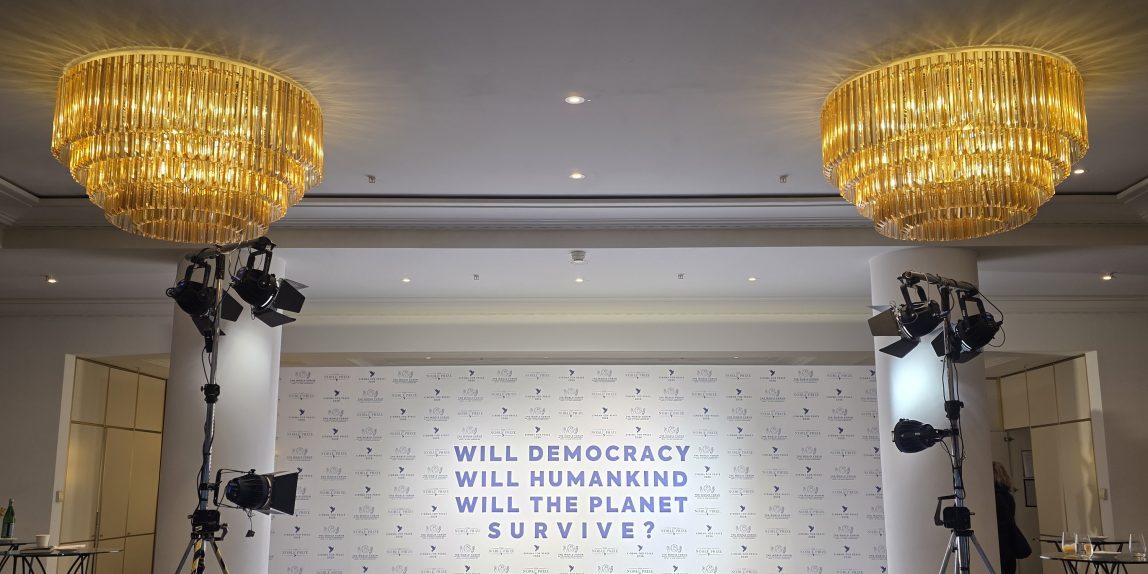
The World Forum 2026 on the Future of Democracy, AI/Tech, and Humankind
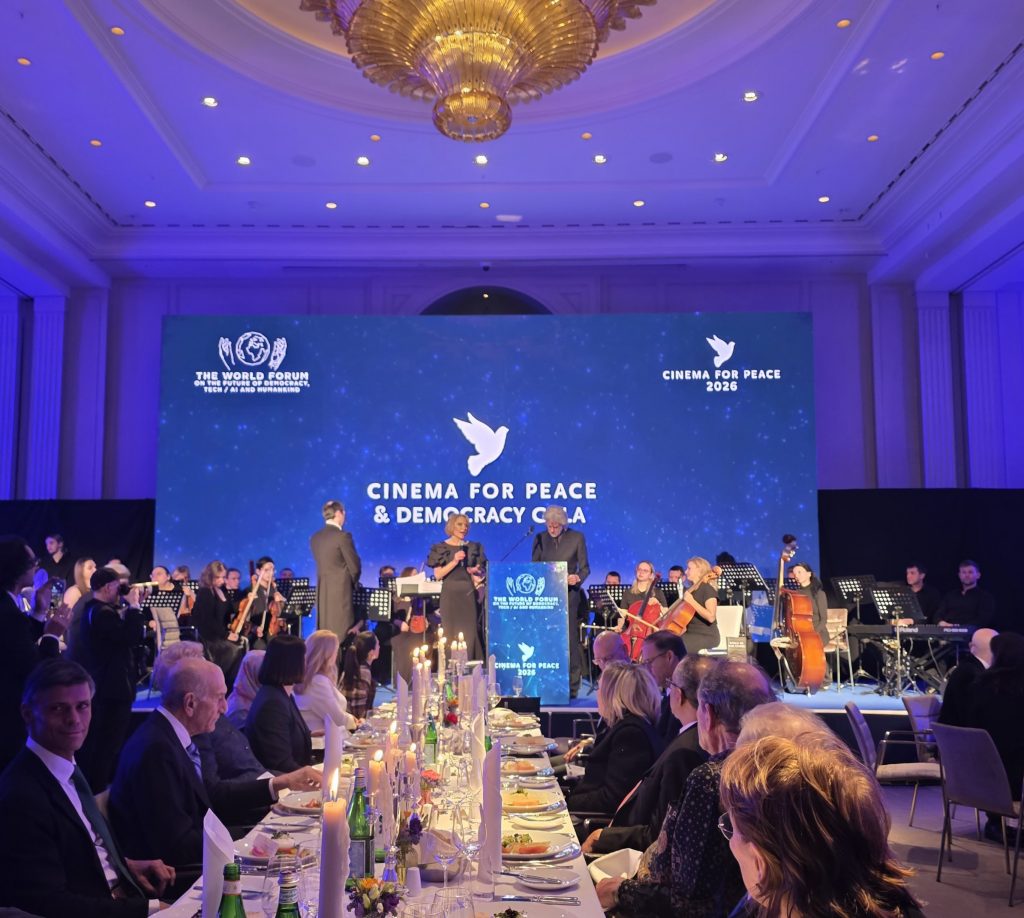
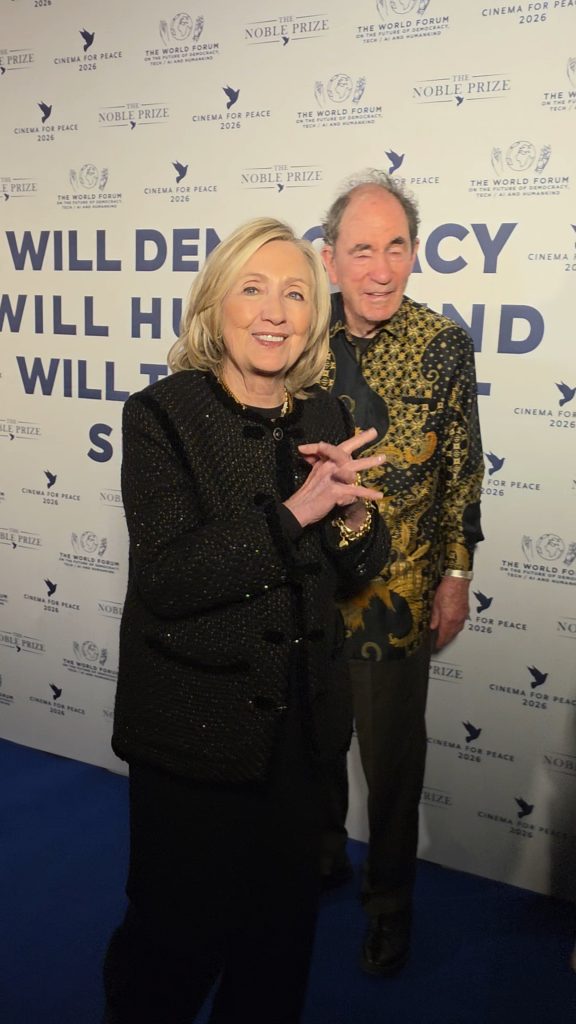
Hillary Diane Rodham Clinton hielt diesen Montag eine beeindruckende Rede. Themen wie , Menschenrechte und Zivilgesellschaft gehören seit Jahren zu Cinema for Peace. Eine bewegende emotionale Rede, hielt Frau Hillary Clinton am Bühnenpodest. Wichtig war es ihr zu erwähnen das wir keine Zeit mehr haben um zu warten und das Leben der Kinder oder gar ganzer Völker aufs Spiel zu setzen mit Kriegsgedanken. Es ist eine bewegende und zugleich anstrengende Woche die hinter uns allen liegt. Berlinale Wochen in Berlin sind im Allgemeinen meist geprägt durch organisatorischen Stress… wenn die ganze Filmwelt zusammen kommt und ihr Netzwerk und ihr Mindset auf der Berlinale vorstellt. Filme die sich mit alltagspolitischen Themen beschäftigen, wurden vorgestellt und bei der Cinema for Peace Gala gebührend ausgezeichnet. Aber auch unterhaltende Filme wurden gezeigt bisher. Alle Filmschaffenden, Regisseure und Schauspieler trafen bzw treffen sich bei dem Filmfestival der Hauptstadt immernoch und vereinten in einem ihre Gedanken und Ihr Netzwerk um gegen Hate und Krieg anzutreten.
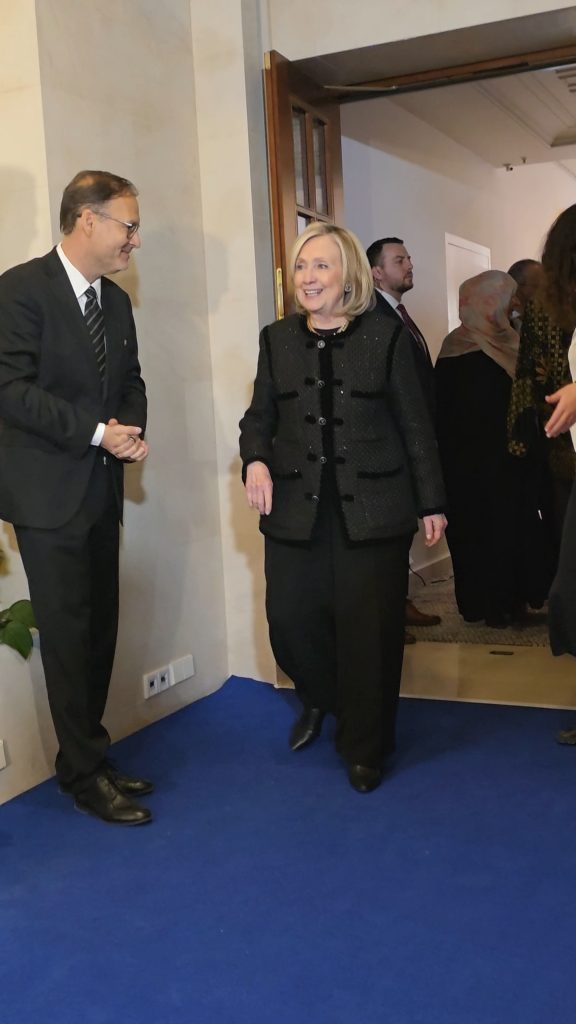
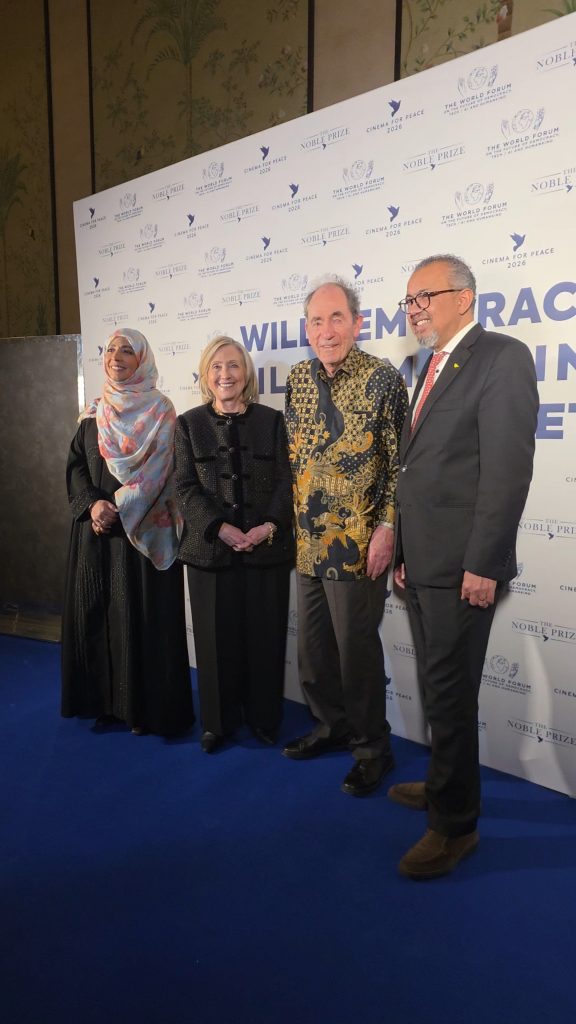
Mit den größten Stars im Internationalen Bereich reicht die Reichweite von Hollywood bis nach Russland und weiter… Es dürfte so eine Tragweite haben den Menschen ins Bewusstsein zu rufen das wir aus der Geschichte heraus dazu lernen müssten. Die diesjährige Cinema for Peace Veranstaltung hatte es in sich die Themen auseinander zu nehmen die wichtig sind für ein zukünftiges gewolltes Miteinander.
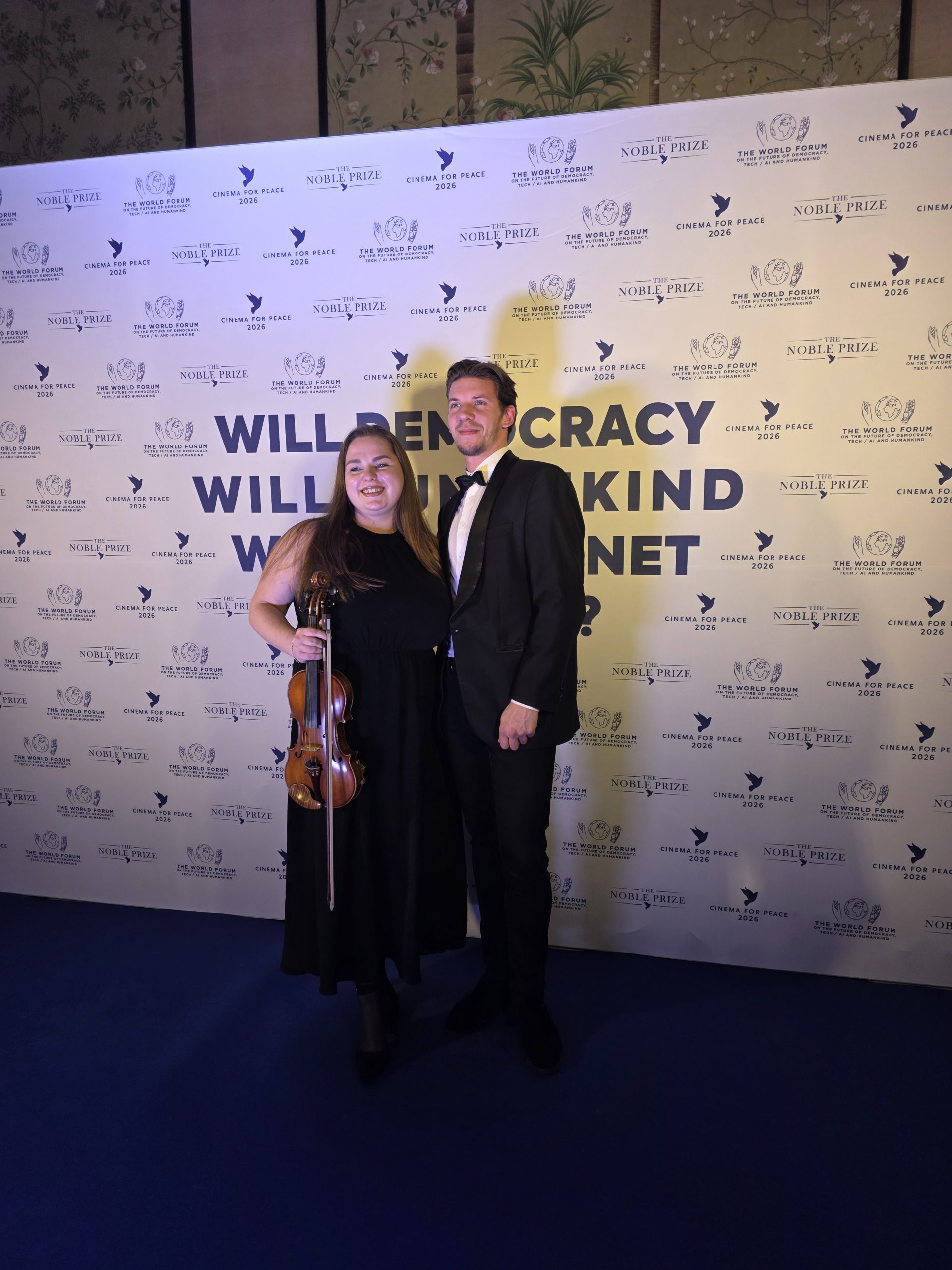
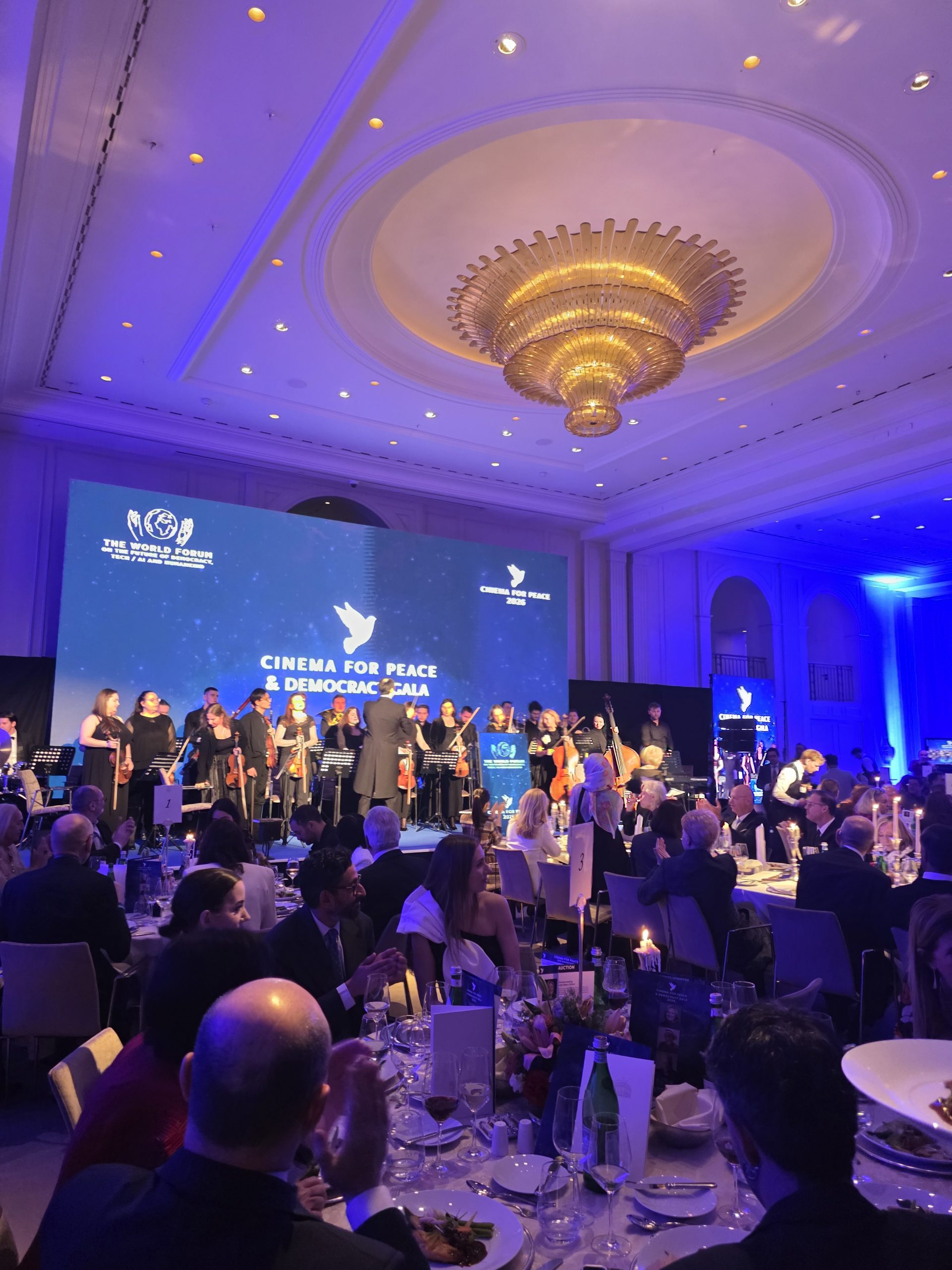
Keine andere Veranstaltung kümmert sich so intensiv seit Jahren um humanitäre Charity Themen wie diese. Wir durften Teil davon sein und konnten das ein oder Andere Interview führen siehe Youtube. Define standards, AI tools and budgets to spread universal education all over the world. Suggest actors and
implementation, including satellite connection into remote provincial areas.
Das Forum brachte über drei Tage internationale Entscheidungsträger/innen, in Bereichen wie Wissenschaft, Tech, Philosophie, Menschenrechte und Kultur zusammen, um zentrale Herausforderungen unserer Zeit zu verhandeln: demokratische Resilienz, KI-Governance, human security und Wege zum Frieden. Neben öffentlichen Gesprächen gab es geschlossene Working Sessions, in denen konkrete Outputs entanden sind (Prinzipien, Policy-Vorschläge, Initiativen).
Cinema for Peace Dove for The Political Film of the Year
- „Bodyguard of Lies“ directed by Dan Krauss
- „Cover-Up“ directed by Laura Poitras & Mark Obenhaus
- „Coexistence, My Ass!“ directed by Amber Fares
- „Facing War“ directed by Tommy Gulliksen
- „Food Delivery: Fresh from the West Philippine Sea“ directed by Baby Ruth Villarama
- „My Undesirable Friends: Part I – Last Air in Moscow“ directed by Julia Loktev
- „The Six Billion Dollar Man“ directed by Eugene Jarecki
- „The Librarians“ directed by Kim A. Snyder
THE NOMINEES for THE NOBLE PRIZE as Guardians of Democracy include:
- Pope Leo for „The Noble Prize as The Man of the Year“
- Nancy Pelosi for „The Noble Prize as Guardian of Democracy“
- Sviatlana Tsikhanouskaya for „The Noble Prize as Guardian of Democracy“
- Albie Sachs for „The Noble Prize as Guardian of Democracy“
- The World Liberty Congress with Masih Alenijad (the women who stood up to the Ayatollahs), Leopoldo Lopez (who led the revolution of Venezuela) & Garry Kasparov as „Guardians of Democracy“
New York — The Gotham Film Awards in New York belonged to a voice the Ayatollahs of Iran have desperately tried to silence: Iranian filmmaker Jafar Panahi emerged as the night’s most resonant figure, accepting three major awards mere hours after being sentenced to prison by the Iranian regime.
Just before the event started he told us about his sentence: „I learned about it one hour ago.“ When we asked Panahi if he would nevertheless return to Iran, he replied: “I always went back, and I will go back again,” while also reminding us of his friend, Nobel Peace Prize laureate Narges Mohammadi, who is currently imprisoned.
Panahi’s „It Was Just An Accident“ swept the categories for Best International Feature, Best Director, and Best Original Screenplay. Yet, as he stood virtually before his peers in New York, the shadow of Tehran loomed large: the Islamic Revolutionary Court had sentenced him in absentia to one year in prison, a two-year travel ban, and a prohibition on social and political group membership for „propaganda activities against the system“.
The contrast between the ballroom’s applause and the courtroom’s verdict provided the emotional centre of the night. Panahi, wearing dark glasses and speaking through a translator, did not dwell on his own persecution but rather turned the spotlight on those still in the shadows. Dedicating his Best Original Screenplay award to his colleagues, Panahi delivered a moving tribute:
„I would like to dedicate the honor of this award to independent filmmakers in Iran and around the world… filmmakers who keep the camera rolling in silence, without support, and at times, by risking everything they have, only with their faith in truth and humanity.“
He continued, expressing hope that the award would serve as „a small tribute to all filmmakers who have been deprived of the right to see and to be seen but continue to create and to exist.“ The audience responded with two standing ovations, recognising that Panahi’s presence was not just a victory for cinema, but a deliberate act of civil disobedience.
A Decades-Long Struggle for Expression
This latest sentence is merely the newest chapter in Panahi’s long standoff with Iran’s authoritarian government. Since 2010, when he was first banned from filmmaking and leaving the country for supporting anti-government protests, Panahi has become a symbol of artistic tenacity.
Despite a 20-year filmmaking ban, he has continued to work in secret. In 2011, he famously smuggled his documentary „This is Not a Film“ to Cannes on a flash drive hidden inside a cake. His 2015 film „Taxi“ won the Golden Bear in Berlin while he remained officially forbidden from working.
His winning film, „It Was Just An Accident“, Iran’s entry for the 2026 Oscars, reflects this turbulence. Inspired by his own imprisonment, the film tells the story of five former inmates contemplating revenge on a man they believe to be their former torturer. Like his recent works, it was shot illegally without a permit, a direct challenge to the censorship laws he continues to defy.
The awards will be presented by Sir Bob Geldof, who created „Band Aid“, „Live Aid“, „We Are the World“ and the biggest movement against extreme poverty in the history of mankind.
Cinema for Peace & Democracy Gala startet now.
Und wir berichten exclusiv wie auch seit den letzten Jahren davon.
Siehe Throwback:
Texte/Zusammenarbeit mit Cinema for Peace 2026
WARNING* STRICTLY NO FAN WEBSITE / NO BLOG / NO FACEBOOK / NO INSTAGRAM / NO SOCIAL WEB USE! ALL RIGHTS RESERVED! ©Stylemagazine-Berlin